
-
Продукты
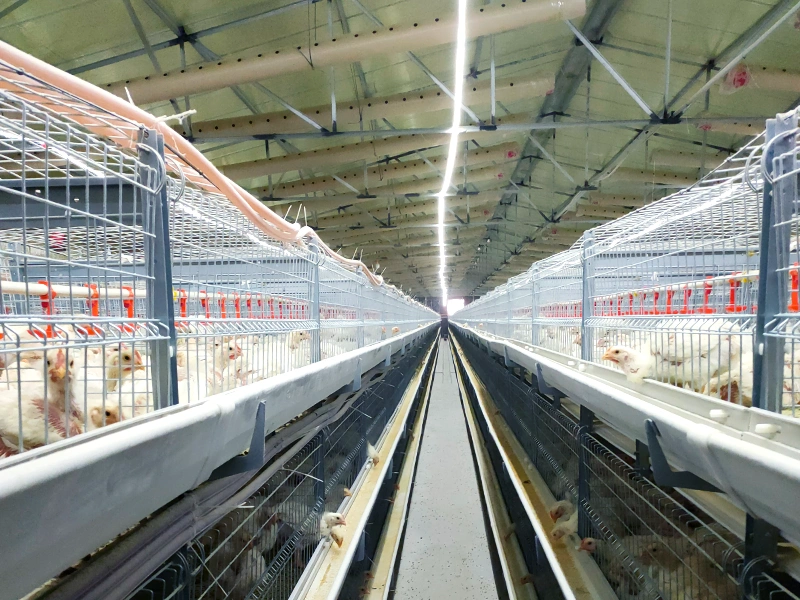
Основная продукция включает: крупногабаритные вентиляторы для животноводства, крупногабаритные вентиляторы для теплиц, вентиляторы для промышленных предприятий, циркуляционные вентиляторы, автоматические вентиляторы для крыш и другие системы вентиляции и охлаждения; влажные завесы — вентиляторы, холодные вентиляторы и другие системы охлаждения и увлажнения; вентиляторы горячего воздуха на угле (мазуте, электричестве, газе), вытяжные вентиляторы и другие системы отопления; кормовые башни, кормовые линии и другие системы кормления; системы клеток для животноводства; скребковые конвейерные машины для удаления навоза, ленточные конвейерные машины для удаления навоза и другие системы удаления навоза.
-
О нас
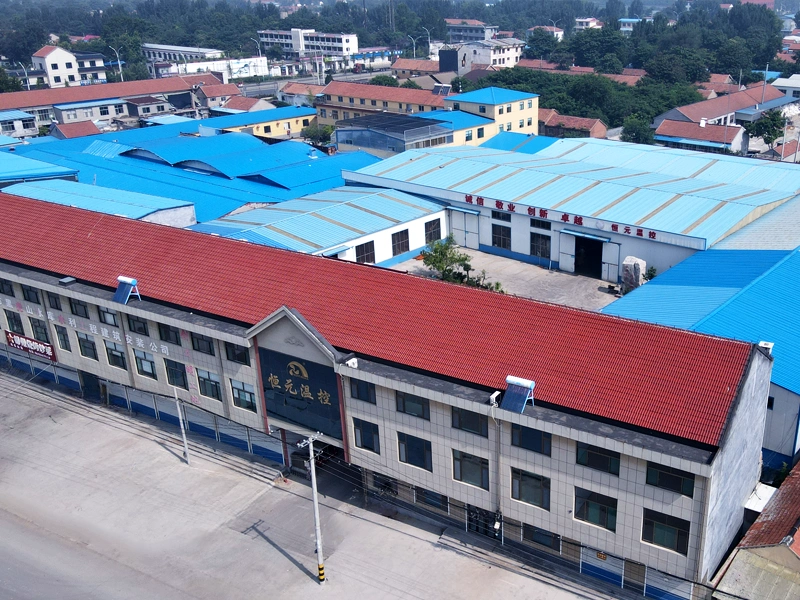
На протяжении многих лет компания занимается разработкой и продвижением национальных продуктов по охране окружающей среды и энергосбережению. Это высокотехнологичное предприятие, специализирующееся на производстве оборудования и технических услуг, связанных с контролем окружающей среды.
-
Блог
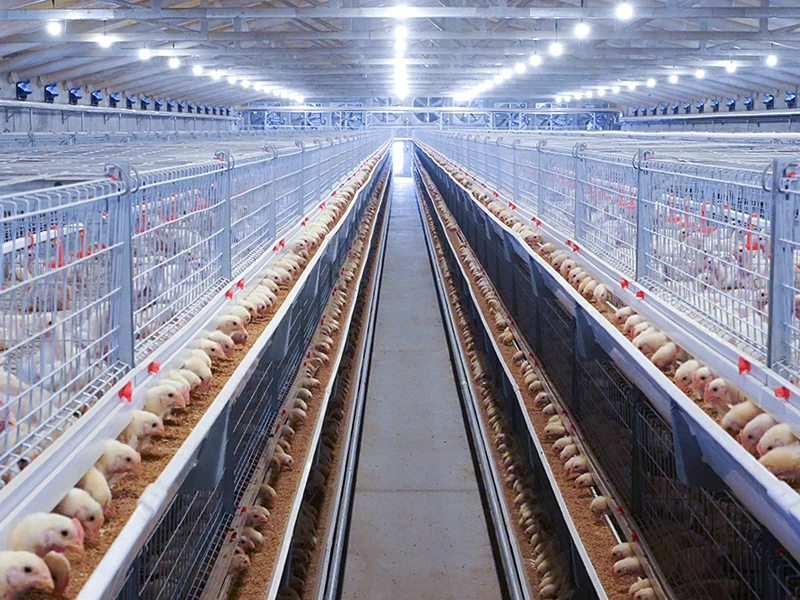
Цель компании — предоставить клиентам лучшие решения для контроля температуры и влажности, создать высококачественные условия для производства и жизни в вашей теплицах, животноводческих и птицеводческих помещениях, промышленных предприятиях и т. д., а также принести вам максимальную выгоду!
Unlocking the Secrets of Ventilation and Cooling Equipment: How They Work
Время выпуска:
2025-11-15
Understanding the Basics
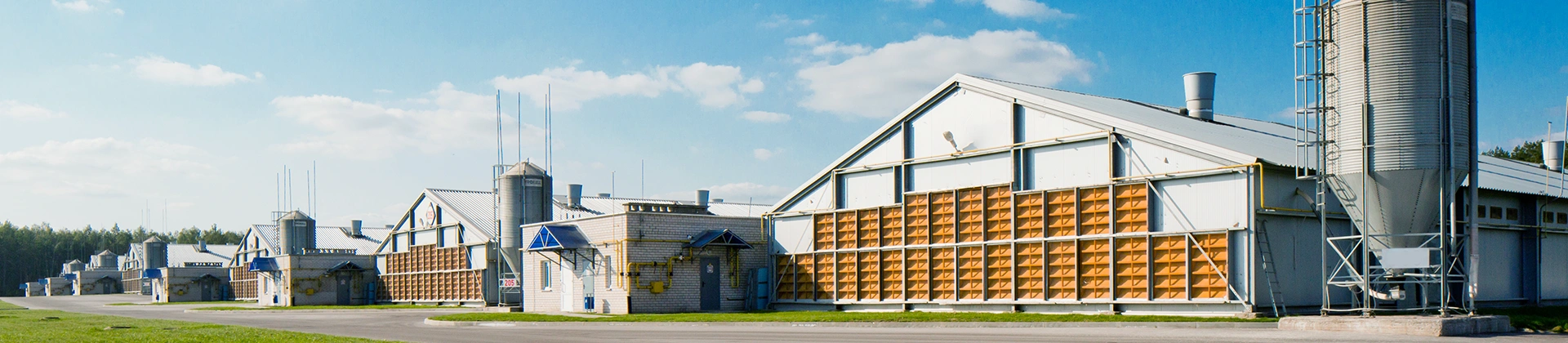
Ah, the sweet relief of a cool breeze on a scorching summer day! That delightful sensation comes courtesy of ventilation and cooling equipment. But have you ever wondered how these devices work their magic? Buckle up, because we're diving deep into the inner workings of these essential gadgets!
What is Ventilation and Cooling Equipment?
Before we jump into the nitty-gritty, let's clarify what we mean by ventilation and cooling equipment. Simply put, these are the systems and devices that help regulate air quality and temperature in our homes, offices, and even industrial settings. Think air conditioners, exhaust fans, and HVAC systems. They're the unsung heroes of comfort!
How Does It Work?
Now, let's get down to business! The working principle of ventilation and cooling equipment can be broken down into a few key components:
1. Airflow Mechanics
First off, airflow is critical. Ventilation systems operate on the principle of natural or mechanical airflow. Natural ventilation relies on windows, vents, and other openings to allow fresh air in and stale air out. Mechanical systems, however, use fans and ducts to control this process. It's like having a personal wind machine!
2. Heat Exchange
Next up, let's talk about heat exchange. Cooling equipment, like air conditioners, typically use a refrigerant—a fancy word for a fluid that absorbs heat. When the refrigerant evaporates, it draws heat from the indoor air, making it cooler. This is accomplished through a series of coils and compressors, which sound complicated, but they simply work to move heat from one place to another. Talk about a clever trick!
3. Filtration
And we can't forget about filtration! Ventilation systems often include filters that trap dust, allergens, and other pollutants, ensuring that the air you breathe is clean and fresh. It's like having a bouncer for your air! Keeping out the riff-raff is essential for our health, especially if you suffer from allergies.
Types of Ventilation Systems
There are several types of ventilation systems, each with its own quirks and perks:
1. Passive Ventilation
This method relies on natural elements—like wind and temperature differences—to circulate air without mechanical help. It's eco-friendly and cost-effective, but its effectiveness can vary based on the weather. If Mother Nature is feeling generous, you're in luck!
2. Mechanical Ventilation
As the name suggests, this type uses fans and blowers to move air in and out. It's typically more reliable than passive systems, especially in tightly sealed buildings where airflow might be limited. If efficiency is your game, mechanical ventilation is your best bet.
3. Hybrid Systems
Why choose one when you can have both? A hybrid system combines both passive and mechanical methods, optimizing energy efficiency without sacrificing comfort. It's like having your cake and eating it too!
Maintenance Matters!
So, you've got your ventilation and cooling equipment up and running, but wait! Maintenance is key to prolonging its life and efficiency. Regularly changing filters, cleaning coils, and checking ducts can save you a heap of trouble down the line. Plus, who doesn't like to save a buck?
The Future of Ventilation and Cooling Equipment
As we look ahead, the future of these systems is promising. With advancements in technology, we're seeing smarter systems that learn and adapt to our preferences. Smart thermostats, energy-efficient designs, and even AI-driven ventilation systems are on the horizon. Pretty cool, huh?
Conclusion
In a nutshell, ventilation and cooling equipment are vital in creating comfortable indoor environments. Understanding their working principles not only helps you appreciate these devices more but also empowers you to make informed decisions about your home or office's air quality and temperature. So the next time you crank up that AC, you'll know exactly what's happening behind the scenes!
Рекомендовать контент
2025-04-24
Поделиться

Занимается всеми видами охлаждающего, отопительного и животноводческого оборудования.
Цинчжоу Вентимакс Эквипмент Ко., Ltd.
Зона экономического развития, Цинчжоу, Китай