
-
Продукты
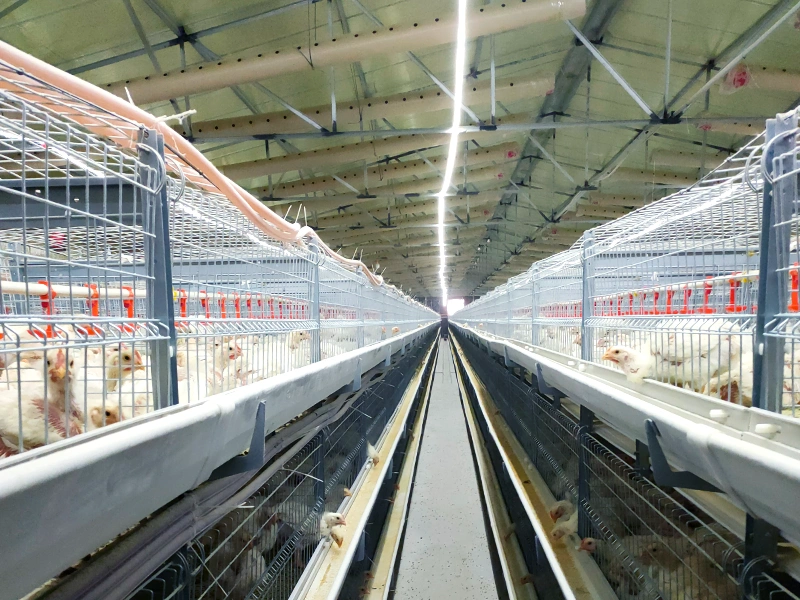
Основная продукция включает: крупногабаритные вентиляторы для животноводства, крупногабаритные вентиляторы для теплиц, вентиляторы для промышленных предприятий, циркуляционные вентиляторы, автоматические вентиляторы для крыш и другие системы вентиляции и охлаждения; влажные завесы — вентиляторы, холодные вентиляторы и другие системы охлаждения и увлажнения; вентиляторы горячего воздуха на угле (мазуте, электричестве, газе), вытяжные вентиляторы и другие системы отопления; кормовые башни, кормовые линии и другие системы кормления; системы клеток для животноводства; скребковые конвейерные машины для удаления навоза, ленточные конвейерные машины для удаления навоза и другие системы удаления навоза.
-
О нас
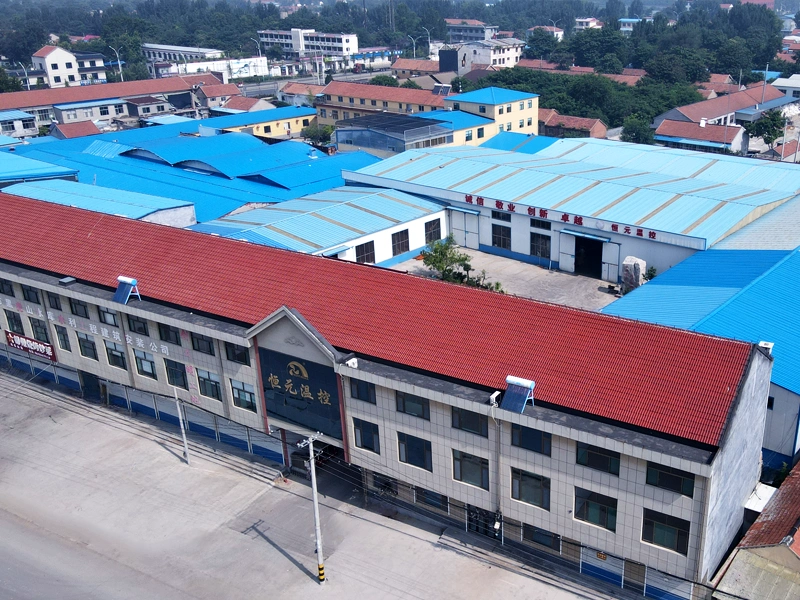
На протяжении многих лет компания занимается разработкой и продвижением национальных продуктов по охране окружающей среды и энергосбережению. Это высокотехнологичное предприятие, специализирующееся на производстве оборудования и технических услуг, связанных с контролем окружающей среды.
-
Блог
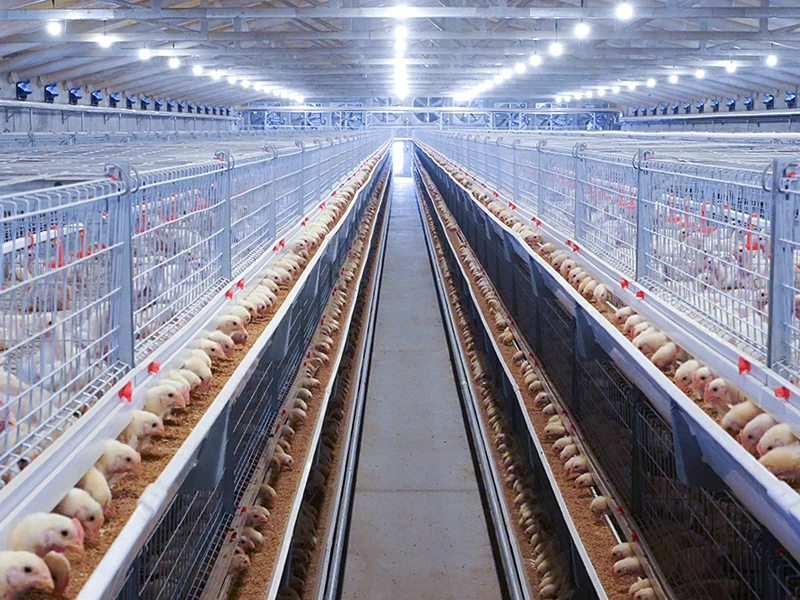
Цель компании — предоставить клиентам лучшие решения для контроля температуры и влажности, создать высококачественные условия для производства и жизни в вашей теплицах, животноводческих и птицеводческих помещениях, промышленных предприятиях и т. д., а также принести вам максимальную выгоду!
Understanding the Intricacies of a Feeding System: How It Works
Время выпуска:
2025-11-05
The Heart of the Matter: What is a Feeding System?
Ever wondered how materials get from point A to point B in manufacturing or food processing? Well, the answer lies in the feeding system. This unsung hero of the industrial world works tirelessly behind the scenes, ensuring that everything runs like a well-oiled machine. So, let's dig deeper into the nuts and bolts of this fascinating mechanism!
How Does It Work?
At its core, a feeding system is designed to deliver a consistent flow of materials. Sounds simple, right? But, oh boy, the complexity can be mind-blowing! Depending on the industry, these systems can vary widely—from conveyor belts in factories to automated feeders in the food industry.
Generally speaking, it all starts with a hopper, which is essentially a large container that holds the materials. Imagine it as the first stop on a journey. Next up, the feeder itself, which regulates the flow and ensures that the right amount of material is delivered at the right time. It's like a conductor leading an orchestra, keeping everything in perfect harmony!
Types of Feeding Systems
Now, let's break it down a bit. There are several types of feeding systems, each with its unique charm:
- Mechanical Feeders: These bad boys use moving parts to transport materials. Think of them as the heavy lifters in the feeding system family.
- Pneumatic Feeders: Utilizing air to move materials, these systems are ideal for lightweight materials. It's like blowing up a balloon—only with products!
- Gravimetric Feeders: They weigh materials as they are fed in, ensuring accuracy. Precision is key, and these feeders have it on lock!
Benefits of an Efficient Feeding System
So, why bother with a feeding system at all? Well, let me tell you, the benefits are numerous:
- Increased Productivity: By streamlining the process, feeding systems help businesses run smoother and faster—no more bottlenecks!
- Consistency: They ensure that the same amount of material is delivered every time. Consistency is king in production!
- Reduced Labor Costs: Automation means less manual labor, leading to cost savings and efficiency.
Challenges and Considerations
But hey, it's not all sunshine and rainbows. Feeding systems come with their own set of challenges:
- Material Characteristics: Different materials behave differently. For instance, powders can clump while liquids might flow too quickly. You gotta know your stuff!
- Maintenance: Like any machine, feeding systems require regular check-ups to keep them running smoothly. Neglect them, and you may be in for a rude awakening!
The Future of Feeding Systems
As technology advances, so too do feeding systems. With the rise of smart manufacturing and IoT, feeding systems are becoming more intelligent and automated than ever before. Imagine a system that can adjust itself based on real-time data—how cool is that?
Moreover, sustainability is becoming a hot topic. Companies are looking for ways to reduce waste and improve energy efficiency. Feeding systems will likely play a crucial role in this shift, helping industries become greener.
Wrapping It Up
In conclusion, the feeding system is a vital component in many industries, acting as the backbone of production processes. From enhancing productivity to ensuring consistency, its role cannot be overstated. So, the next time you see materials being moved around, take a moment to appreciate the intricate workings of this unsung hero!
Рекомендовать контент
2025-04-24
Поделиться

Занимается всеми видами охлаждающего, отопительного и животноводческого оборудования.
Цинчжоу Вентимакс Эквипмент Ко., Ltd.
Зона экономического развития, Цинчжоу, Китай